Written by Dr Alexey Borshch, Orthopaedics, FRAOrthA, MBBS, BSc(Hons), dralexeyborshch.com.au on 26 October 2026
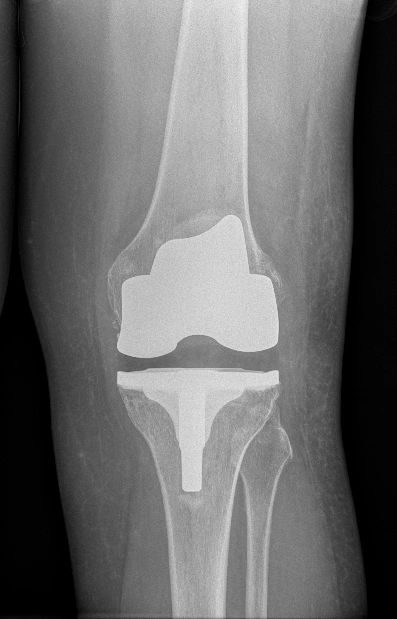
A Knee Replacement swaps the damaged knee joint surfaces with metal and polyethylene surfaces. The aim of Total Knee Replacement is to reduce knee pain, improve walking and everyday activities, correct significant bow-legged or knock-kneed deformity, improve knee stability and function and improve quality of life The operation does not replace the entire knee. Rather the surface layer of damaged bone and cartilage is removed from the ends of the femur (thigh bone) and tibia (shin bone) and replaced with artificial surfaces. Although "Full knee replacement" and "Total knee replacement" describe the same surgery, an important distinction is that in a Total knee replacement the surface of the tibia and the femur are replaced, but the undersurface of the kneecap may be left intact or also be replaced with a plastic component. The decision on whether to replace the patella (kneecap) surface depends partly on the condition of the remaining cartilage, the cause of arthritis (inflammatory or infective) and sometimes patient age. A Partial knee replacement only replaces one or two of the knee articulations (medial, lateral or patella-femoral).