Written by Dr Alexey Borshch, Orthopaedics, FAOrthA, MBBS, BSc(Hons), dralexeyborshch.com.au on 2 November 2026
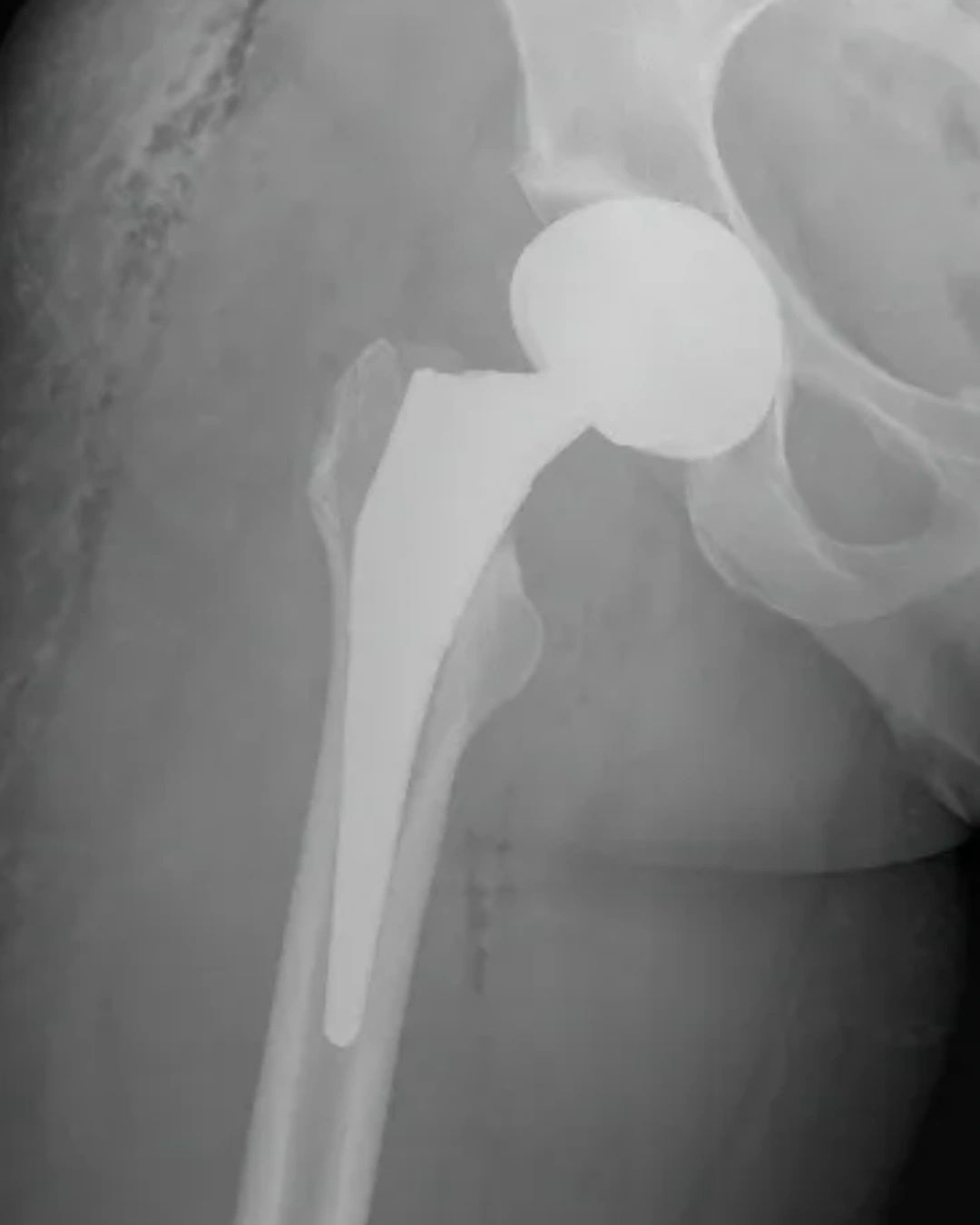
A total hip replacement replaces the damaged ball and socket of the hip with artificial joint surfaces. It is usually considered when advanced hip arthritis causes significant pain, stiffness and loss of function despite appropriate non-operative treatment. The Direct Anterior Approach is one way of performing this operation. The hip is reached through an incision at the front of the hip, rather than through the more traditional approach through the side (posterior approach). In the Anterior approach, the surgeon works through a natural gap between muscles, which is why DAA is sometimes described as a muscle-sparing approach. The new hip is the same as with other approaches: a replacement socket in the pelvis with a plastic or ceramic liner, and a metal stem in the thigh bone with a ceramic or metal ball. DAA may aid early recovery, with less early pain and better early function in some patients. Long-term results are similar to other established approaches, so the approach is only one part of a successful hip replacement. Risks specific to DAA include numbness or altered sensation over the outer thigh from irritation of a skin nerve, wound problems near the hip crease, and fracture of the thigh bone during surgery. The general risks of hip replacement, such as infection, blood clots and dislocation, also apply. DAA is not suitable for every patient or hip. The choice of approach depends on your anatomy, the condition of the hip, any previous surgery and other individual factors.